
What to Do If You Have an Abnormal Chest X-Ray or TB Screening After an IME
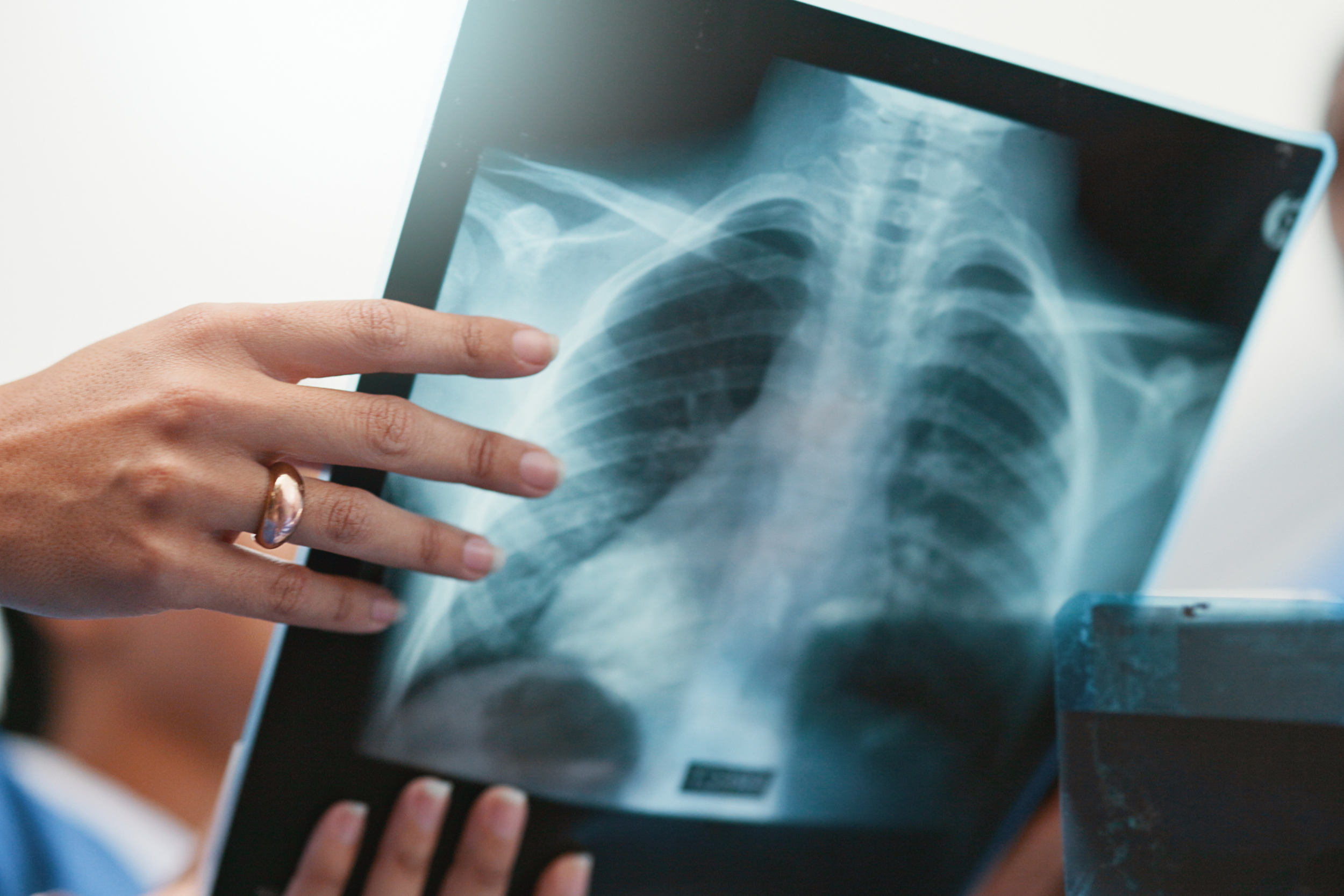
A flagged chest X-ray after an IME doesn't mean your application is refused. It means IRCC needs more information. A repeat X-ray, sputum culture tests, or a specialist referral are the most common next steps, and your panel physician coordinates all of it.

IME During Pregnancy: What Changes and How to Plan
If you’re pregnant and need to complete your immigration medical exam, it’s important that you know exactly what that means. Some things change, but most actually stay the same. You’ll still complete nearly every portion of the exam, but you have the option to do the chest X-ray using lead shielding or defer it until after you’ve given birth.

What Happens After Your Immigration Medical Exam?
After your IME, your Panel Physician submits the results to IRCC through the eMedical system, and medical officers then review them. Applicants may see status updates such as “Waiting on you,” “In progress,” or “Completed,” and sometimes IRCC may request additional tests before the medical portion of the immigration application is finalized.

Free Study Permit Extension Timeline Planner for International Students in Canada
Study permit extensions require careful timing. Know when to gather school documents, prepare financial proof, check for possible IME requirements, and submit everything before your permit expires. A clear timeline helps reduce mistakes, protect your status, and avoid last-minute delays.

Understanding Medical Inadmissibility and "Excessive Demand" in Canada
Medical inadmissibility assessments help IRCC evaluate whether a potential health condition could affect public safety, health, or service demand in Canada. Strong medical documentation, early preparation, and understanding of procedural fairness letters can help you address concerns and reduce delays.

Where to Find Newcomer Mental Health Support in Canada
Newcomers to Canada can access free and low-cost mental health support through settlement agencies, community clinics, and referral services. Crisis help is available 24/7 via 9-1-1, 9-8-8, Kids Help Phone, and Wellness Together Canada. Many programs also offer culturally responsive counselling, language-matched services, walk-in support, therapy, and group support in every province.