What to Do If You Have an Abnormal Chest X-Ray or TB Screening After an IME

Summary:
A flagged chest X-ray or TB screening result after an IME is a process trigger, not a decision. There's a wide spectrum of findings between normal and active TB, and most fall somewhere in the middle. Follow-up typically means a repeat X-ray, sputum culture tests, or a specialist referral, all coordinated by the panel physician. The IME is paused, not failed. Responding promptly and keeping records are the two things that matter most while you wait.
Time to Read: 7–8 minutes
What You’ll Learn:
What different chest X-ray findings may suggest, and what each one typically triggers
How follow-up testing is initiated, what it involves, and who arranges it
How a flagged result affects your IME timeline and what keeps things moving
What documents to keep and who to share them with
Next Steps:
Keep your eMedical Information Sheet and IME number somewhere safe
Respond promptly to any IRCC or panel physician communications
Complete follow-up tests as soon as they're arranged
Contact Panel Physician if you have questions about your result or next steps
Receiving a flag on your chest X-ray or TB screening after an immigration medical exam is one of the more unsettling things that can happen mid-application. For many applicants, the first fear is that a positive or unclear result will end their immigration journey. In most cases, it won't.
An abnormal result on chest imaging is a process trigger, not a decision. It means more information is needed before IRCC can complete its assessment. If you have questions before your appointment or after receiving a result, the team at Panel Physician is available to help.
Why is a Chest X-Ray Included in Your IME?
Immigration, Refugees, and Citizenship Canada requires that all applicants wishing to immigrate to Canada undergo a chest X-ray as part of their regular IME for tuberculosis (TB) screening. Screening for TB is a core part of Canada's public health requirements for immigration. Tuberculosis can develop slowly, and those who have it can remain asymptomatic, which is why screening is mandatory regardless of whether an applicant feels unwell.
Once the X-ray portion of the exam is done, it’s reviewed by a panel radiologist, who submits a report to the panel physician. After looking at the report, the panel physician will decide whether any follow-up tests are needed before submitting the full IME to IRCC.
An important thing to note is that a chest X-ray can show a range of findings, and that not all of them indicate active disease. In fact, many “abnormal” triggers on X-rays tend to be remnants of past infections that have already resolved. The radiologist's role is to flag anything that requires further assessment, not to make an admissibility determination.
What Abnormal Can Mean
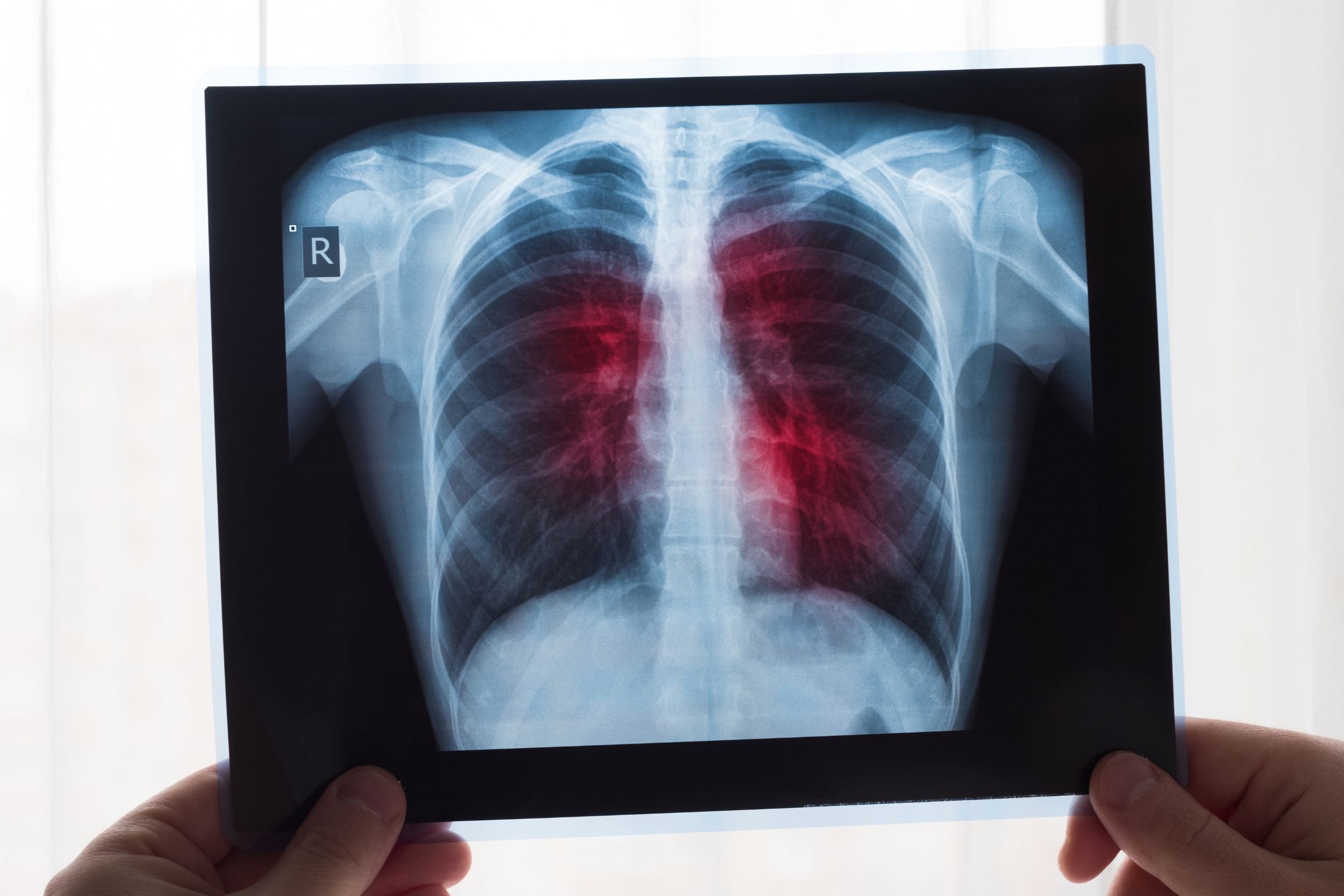
There's a wide spectrum between 'normal' and 'active TB,' and most flagged results fall somewhere in the middle. Here's what different findings may suggest and what follows those findings:
| Finding | What it may suggest | Typical next step |
|---|---|---|
| Old or healed scarring | Evidence of a past infection or inflammatory process that has resolved. Common in applicants from countries with higher historical TB exposure. | Repeat X-ray after 3 months and/or sputum culture tests to confirm the finding isn't active. |
| Calcified nodules | Remnants of prior infections that the body has already contained. May appear on imaging without indicating current disease. | Possible repeat imaging; review of clinical history. |
| Inactive TB | Prior TB infection that is no longer active. The applicant may have had it and recovered, or been exposed without developing active disease. | Sputum testing and/or repeat imaging to confirm; may lead to medical surveillance after arrival in Canada. |
| Suspected active TB | Area of concern where the radiologist identifies possible signs of current active infection. | Immediate sputum testing arranged by panel physician; IRCC and public health notified as required by law. |
| Non-TB finding | Structural finding unrelated to TB. | Depends on the finding; may require specialist input or clinical documentation. |
What an abnormal result doesn't mean:
It doesn't mean your application is refused
It doesn't mean you have active tuberculosis
It doesn't mean you're a public health risk
It means the radiologist has identified something that needs more information before IRCC can complete its assessment.
What Further Testing Looks Like
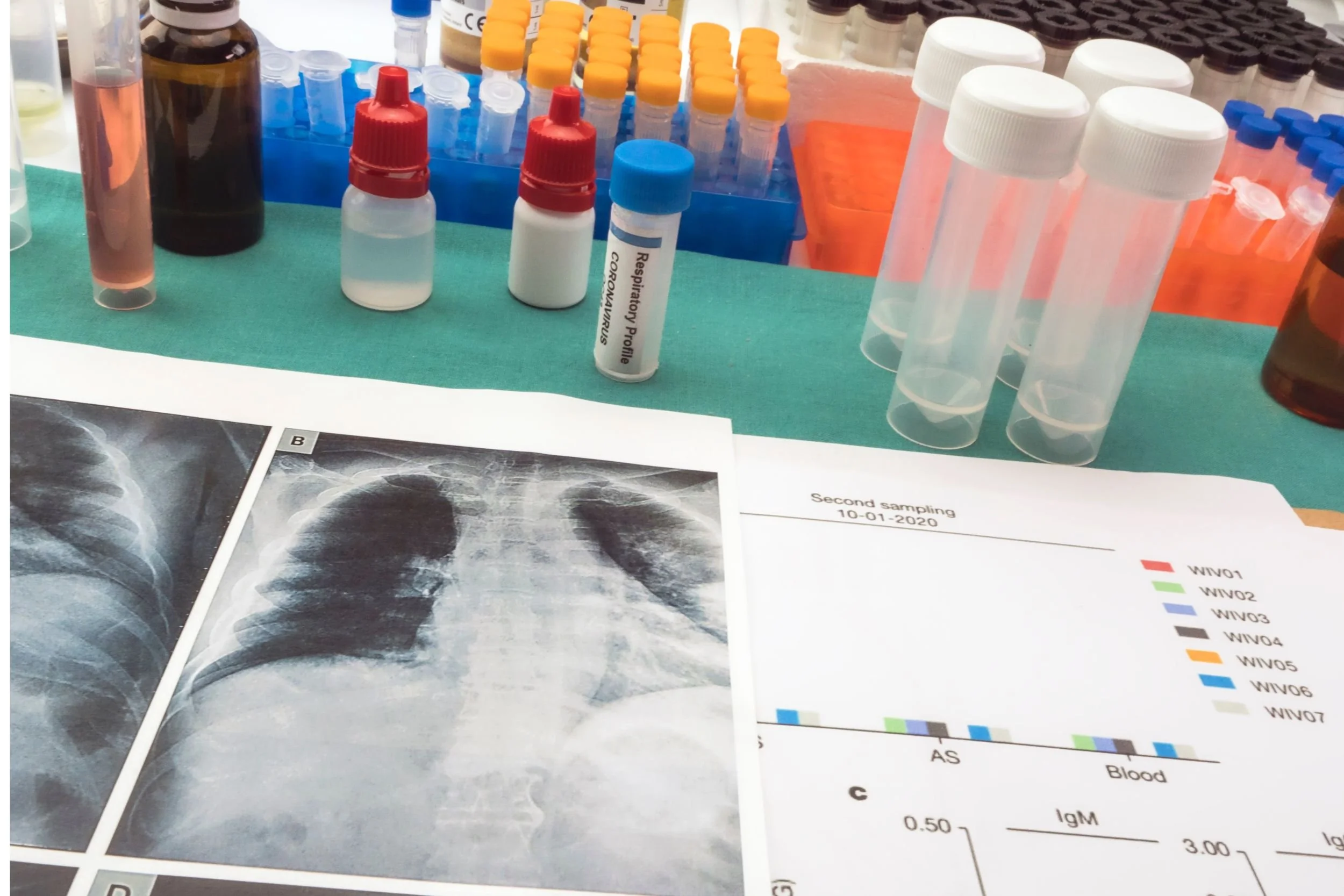
How a Follow-Up is Initiated
If the panel radiologist flags a finding, they notify the panel physician. The panel physician arranges any immediate follow-up testing and submits all available results to IRCC through eMedical. IRCC may then issue a furtherance request specifying what additional information they need. You'll be notified through your IRCC secure account or by written notice.
Common Follow-Up Tests
Repeat chest X-ray, typically three months after the original. Used to confirm whether a finding is stable or has changed.
Sputum culture tests. Used to detect the presence of TB bacteria. Usually, three samples are collected over consecutive mornings.
Specialist referral. In some cases, IRCC may request a report from a respiratory or infectious disease specialist.
Who Arranges It
Your panel physician coordinates follow-up testing. You don't need to find a specialist or arrange tests independently unless specifically instructed by IRCC. Read any instructions carefully before booking anything yourself. Requesting tests that weren't asked for can complicate your file.
How a Follow-Up Affects Your Timeline
If something on your X-ray triggers a flag and your panel physician deems a follow-up necessary, the IME is placed on hold in the eMedical system until all follow-up tests and their results are submitted. This is a standard process, not a negative determination. It just means that your IME is on pause, not that you failed it. IRCC won't make a final decision on your application until those results are reviewed.
What Adds Time?
A repeat X-ray three months after the original adds approximately three months to the medical assessment stage.
Sputum culture tests usually take several weeks to produce results after samples are collected.
Specialist reports add time depending on appointment availability.
What Keeps Things Moving?
Complete follow-up tests as soon as they're arranged. Don't delay sputum testing or repeat imaging.
Respond promptly to any communication from your panel physician or IRCC
Check your IRCC secure account regularly for status updates and messages
What Documents Will You Need?

You may be wondering what documents to keep, and who will eventually need them. These are the documents that you should hold onto:
Your eMedical Information Sheet from the original IME, including your IME or UMI number
Any written communication from IRCC about the flagged result or furtherance request
Copies of any follow-up test results your physician shares with you
Specialist letters or reports if a referral was made
Records of any treatment from a public health authority, if applicable
Dates and locations of all follow-up appointments
What to Share and With Whom
Your panel physician submits follow-up results to IRCC through eMedical. You don't do this yourself.
If you're working with an RCIC or immigration lawyer, share copies of any IRCC communications you receive.
If you're managing an overseas application, it can help to send your visa office a copy of the follow-up timeline or specialist letter so they're aware of where things stand.
How to Stay Calm While You Wait
Remember: a flagged chest X-ray is not a refusal, and a furtherance request from IRCC is not a Procedural Fairness Letter. Medical surveillance (if applicable to your case) is a monitoring process used by IRCC to ensure newcomers receive appropriate care upon arrival in Canada. It doesn't mean you're unwell or a danger to public health. Most applicants who go through follow-up testing proceed successfully with their applications.
So don’t panic if you’ve been directed to follow-up tests. Focus on completing your tasks promptly, keeping your records organized, and checking your eMedical account regularly for updates. Your panel physician and, if relevant, your public health authority are the right sources for clinical guidance, not self-diagnosis based on your X-ray results or online searches you’ve made.
Avoid contacting IRCC repeatedly about your status, but be sure to regularly check your account and respond quickly if anything comes up. If you're feeling overwhelmed, an RCIC or immigration lawyer can help you understand where your application stands and what to expect next.
What Happens After Follow-Up Results Are Submitted
Once your panel physician submits follow-up results through eMedical, IRCC medical officers review the complete file. If the results are clear, the medical assessment moves to Completed status. If IRCC needs anything further, they'll issue an additional request in writing.
In some cases, if inactive TB or another condition of public health significance was identified, you may be placed on medical surveillance after arrival in Canada. This means reporting to provincial or territorial public health authorities within 30 days of arriving. Your panel physician or the public health authority will advise you if this applies.
The status flow after follow-up is the same as any other IME: Waiting on You, In Progress, and Completed. For the full breakdown of what each status means, see: What Happens After Your Immigration Medical Exam.
Where to Turn for Reliable Support
| Who | For What |
|---|---|
| Your panel physician | Coordinating follow-up tests, submitting results to IRCC through eMedical, and answering questions about what's been submitted. |
| Public health authority (if referred) | Clinical follow-up, treatment if required, and ongoing monitoring. They'll contact you directly if a referral is made. |
| IRCC secure account | Tracking your application status and receiving official communications from IRCC. |
| RCIC or immigration lawyer | Understanding what a flagged result means for your application, and responding to a Procedural Fairness Letter if one is issued. |
| Panel Physician clinics | IRCC-authorized IME and follow-up coordination across five GTA locations, with results submitted directly to IRCC through eMedical. |
A Flag Is a Step in the Process, Not the End of It
A flagged result on a chest X-ray or TB screening means more information is needed. It's not a refusal, and it's not a judgment on your health. Most applicants who undergo follow-up testing proceed with their applications without issue.
The most important thing is to act as soon as possible on any instructions from your panel physician or IRCC, keep records of everything, and resist the urge to fill in the gaps with worst-case assumptions. You're not navigating this alone.
Have questions about your follow-up or need to book your initial IME? Schedule an appointment online or at any of our five locations across the Greater Toronto Area.