
Summary:
Every Super Visa applicant needs an immigration medical exam with an IRCC-approved panel physician, and IRCC recommends completing it upfront, before applying. Results stay valid for 12 months, so timing matters. Older parents and grandparents can expect a medical history review, physical exam, chest X-ray, and blood tests. Bringing lab results, specialist letters, and a medication list helps document ongoing conditions clearly, and a health condition alone doesn’t mean refusal. Results go directly to IRCC through eMedical.
Time to Read: ~6 minutes
What You’ll Learn:
Why every Super Visa applicant needs an IME, and how that differs from a regular visit
When to book an upfront exam so results stay valid
What happens during the exam, including the chest X-ray and blood tests
Which documents help older applicants with ongoing conditions
Next Steps:
Get the insurance, invitation letter, and income documents close to ready
Gather recent lab results, specialist letters, and a medication list
Check current income and threshold figures on canada.ca
Book the Super Visa IME at panelphysician.ca/services-fees
The Super Visa is a multi-entry temporary visa that lets parents and grandparents of Canadian citizens, permanent residents, and registered Indians stay in Canada for up to five years at a time. It also includes a step a regular visit to Canada doesn't: every applicant needs an immigration medical exam (IME) with an IRCC-approved panel physician, and your family doctor can't do it.
For older applicants, the exam itself isn't any harder. What's different is that there's often more health history to explain, and that's where preparation keeps things moving. If you're helping a parent or grandparent get ready, the team at Panel Physician can walk you through the process at any of our five GTA locations, with staff who speak Punjabi, Mandarin, Cantonese, and Urdu.
Why Every Super Visa Applicant Needs a Medical Exam
Most visitors staying six months or less don't need an IME unless they plan to work in certain jobs where public health must be protected. The Super Visa works differently. IRCC expects Super Visa applicants to complete a medical exam, regardless of where they live or have travelled.
| Regular Visitor Visa | Super Visa | |
|---|---|---|
| Length of Stay | Up to 6 months in most cases | Up to 5 years at a time |
| Immigration Medical Exam | Not needed for most stays of 6 months or less | Needed for every applicant |
| Private Health Insurance | Not a visa requirement | At least $100,000 in coverage, valid for 1 year or more from entry |
Understanding what the exam entails can help demystify it, especially for someone who’s never taken an IME before. It’s a standard screening exam, not a test that your parent can pass or fail. Below, you’ll find what to expect at the IME, and once it’s done, the panel physician will send the results directly to IRCC, which makes the final decision.
When to Book Your Super Visa Medical Exam
Timing matters more than most families expect, because the exam is done before the application goes in and the results don't last forever.
Getting the Exam Before You Apply
IRCC recommends getting the medical exam before applying. This is called an upfront medical exam.
After the upfront medical exam, the panel physician will provide your parent with Form IMM 1017B, which serves as proof that the IME was completed. Your parent must include a paper copy of this form with their Super Visa application, or upload it if they are choosing to apply online.
Keeping Your Results Valid
IME results stay valid for 12 months. If your parent doesn’t travel to Canada during that time, IRCC might ask for another exam. You can find more details about re-medical requests.
It’s best to book the exam when the insurance, letter of invitation, and income documents are almost ready. This way, the 12-month period won’t start while you’re still waiting on other paperwork.
If Your Parent Is Already in Canada
Super Visa applicants must be outside Canada when they submit their application. If your parent is already here on a regular visit, they may be able to complete an upfront exam at a GTA clinic before returning home to apply.
Completing an IME while on a regular visit is a fairly common strategy, and one panel physicians are accustomed to. It allows you to help your parent(s) easily navigate the appointment while they are in Canada with you, so that when they return to their home country to apply for the Super Visa, that part of the application is already done.
What to Expect During an IME
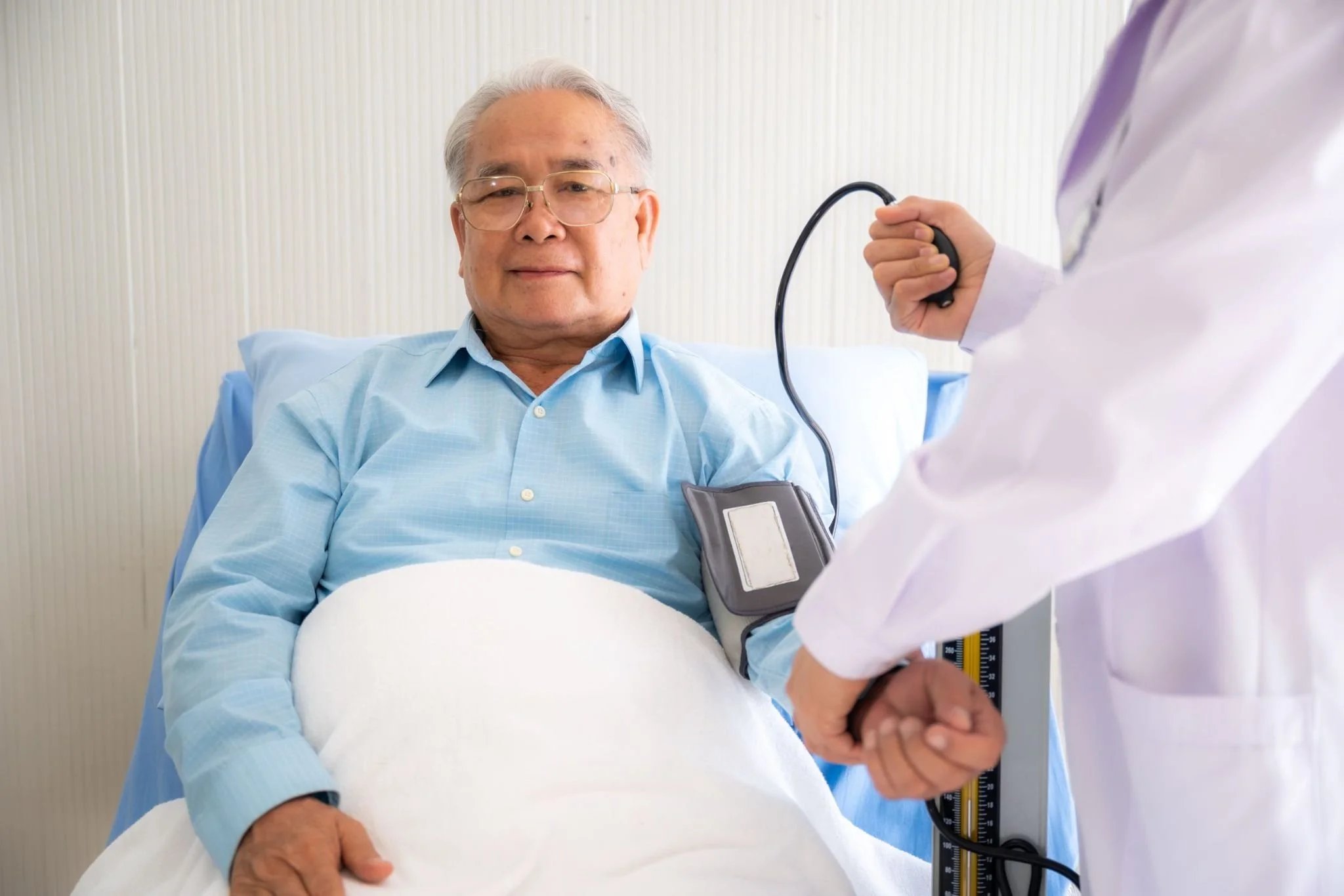
Knowing what to expect can make the appointment feel a lot less intimidating for your parent. Panel Physician is here to ensure the appointment goes as smoothly as possible. Here’s what your parent can expect during their Immigration Medical Exam.
Check-In and Identification
Clinic staff will confirm your parent's identity, and IRCC strongly recommends bringing a passport. They will also take a photo for IRCC's records.
Medical History Questionnaire
The panel physician reviews your parent’s past and current conditions and any medications they are currently taking. This is the part to be thorough about, since IRCC notes that leaving out conditions can make processing take longer.
Physical Exam
The panel physician or clinic staff will check:
Height and weight
Hearing and vision
Heart and lungs
Abdomen
How the limbs move
Skin
The genital and rectal areas aren't examined as part of the IME.
Chest X-Ray and Lab Tests
Applicants 11 or older need a chest X-ray, and those 15 or older need blood tests. Super Visa applicants should be ready for both. If the results show something unusual, the panel physician may refer your parent to a specialist, so be sure to handle any referrals quickly to help prevent delays.
Your Parent's Rights in the Room
Your parent has the right to ask for a chaperone at any time and can pause the exam to ask questions.
Notify the clinic in advance if your parent would prefer you in the room with them as their translator or support person. In general, you can accompany them, but the final decision depends on the clinic’s policies and available space.
Health Considerations for Older Applicants
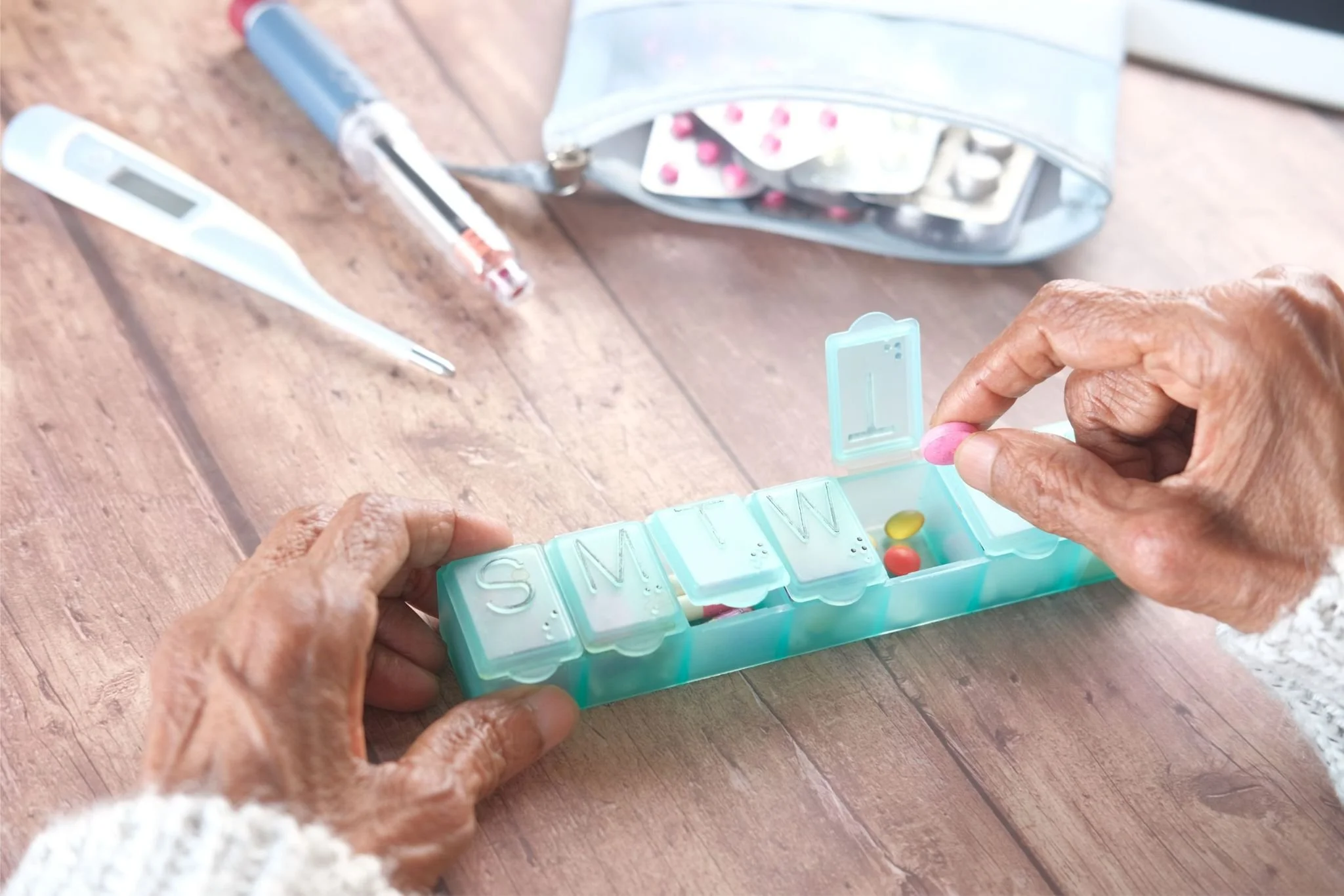
It's normal to have ongoing health conditions as you get older, and having one doesn't mean you'll automatically be refused. IRCC reviews each case individually to assess risks to public health and safety and excessive demand on health or social services. If there's a concern, IRCC may send a procedural fairness letter, which gives your parent a chance to reply and explain how they plan to mitigate the issue, for example, by paying for prescription medication privately. The threshold changes every year, so check canada.ca for the latest amount.
Related Reading:
Clear documentation helps the panel physician describe your parent's health accurately and can reduce follow-up requests.
| Condition | What to Bring |
|---|---|
| Diabetes | Recent lab results, a current medication list with doses, and a note from the treating doctor on how it's managed |
| High blood pressure or heart disease | A letter from the cardiologist or family doctor, recent test results, and a medication list |
| Kidney disease | Recent kidney function results, a specialist letter, and the current treatment plan |
| Past TB or past abnormal chest X-ray | Treatment records and prior X-ray reports, if available |
| Past surgery or joint replacement | An operative report or hospital discharge summary |
If your parent's records aren't in English or French and are deemed to be important to the IME, they will need to be officially translated.
It's also worth knowing that older adults who've lived in regions with higher TB rates may show old scarring on a chest X-ray. That can lead to follow-up testing, but it isn't a refusal.
Related Reading:
What to Bring to Your Appointment

A little preparation the night before can go a long way to saving you a second trip. Make sure your parent has:
Their passport
Glasses or contact lenses, if they wear them
Medical reports and test results for any past or current conditions
A current medication list with doses
Vaccination records, if available (optional, but encouraged)
The Medical Report form (IMM 1017E), only if IRCC sent one. It isn't needed for an upfront exam.
Your panel physician submits results through eMedical, so you don't need separate photos. You pay all exam fees at the appointment, and IRCC notes they won't be refunded if the application is refused.
How the IME Fits With the Rest of Your Application
The medical exam is one piece of the Super Visa package, but it’s not the whole thing. Your parent's application will also need the following:
A letter of invitation from the host child or grandchild, with a promise of financial support and a family size list
Proof the host meets the minimum necessary income, which is updated each year on canada.ca
Proof the host is a Canadian citizen, permanent resident, or registered Indian, and proof of the parent or grandparent relationship
Proof of health insurance from a Canadian insurer, or an insurer outside Canada approved by the minister
Your insurance must be valid for at least one year from entry date and cover health care, hospitalization, and repatriation with at least $100,000 in coverage. Make sure it is either fully paid or that you have made a deposit if you are paying in installments, because quotes are not accepted. Use the same health information on every form. If you have questions that are not about medical issues, you can ask a regulated Canadian immigration consultant (RCIC) or an immigration lawyer for help.
After the Exam

After the appointment, most of the work moves to the clinic and IRCC.
How Results Reach IRCC
Results are usually submitted within 5 to 10 business days once lab results are ready. They go directly to IRCC through eMedical. IRCC may also request more exams, called a furtherance. If this happens, it’s not time to panic, and it doesn’t mean an application is going to be refused. It simply means that something on the original exam or application was flagged and further tests or specialist appointments are needed.
Extending a Stay Later
Super Visa holders can apply to extend their stay from inside Canada before their status expires. IRCC also has a temporary public policy, in place until October 5, 2029, that may exempt certain in-Canada applicants from a new IME if they completed one in the last five years that showed low or no risk.
Booking the Super Visa IME with Panel Physician
For most families, the Immigration Medical Exam is one of the more predictable parts of the Super Visa application. Booking upfront, timing the exam around the rest of the paperwork, and bringing an organized health history are what keep everything on track.
Panel Physician is an IRCC-authorized clinic with five GTA locations, open 7 AM to 9 PM, seven days a week. Our physicians are experienced with complex health histories, and same-day or same-week appointments may also be available, depending on scheduling. Book your parent's Super Visa medical exam.