Study Permit Medicals: When You Need One and When You Don't

Summary:
Whether a study permit applicant needs an immigration medical exam comes down to three factors working independently, including how long the program runs, where the applicant has recently lived or travelled, and what kind of placement the program involves. A shorter program can still trigger the requirement through a placement in health care, childcare, or education. A longer program can bring travel history into play, regardless of citizenship. Missing one factor can lead to a mismatched conclusion and an avoidable delay.
Time to Read: ~5 minutes
What You’ll Learn:
Whether your program length affects your medical exam requirement
How your recent travel and residence history factors in, separate from citizenship
Which program and placement types can trigger a medical exam regardless of duration
What to expect once you know a medical exam is required
Next Steps:
Confirm your program length and placement type with your Designated Learning Institution
Check the current designated country list on canada.ca
Book early to avoid delays if a medical exam is required
Book your appointment with an IRCC-authorized panel physician
Not every student applying for a Canadian study permit needs an immigration medical exam. Whether you need one depends on several factors, including how long you plan to study in Canada, where you have recently lived or travelled, and what your program or placement involves.
Each factor applies on its own, so a program may fall below the usual duration threshold but still require a medical exam because of the type of work or placement involved. In the same vein, a longer program may require additional review based on your recent country of residence and travel history.
Sorting out all three early avoids a scramble later, since a missing medical result can hold up an otherwise complete application. The team at Panel Physician works with students across the Greater Toronto Area who want to sort this out before it becomes a scheduling problem.
Do You Need a Medical Exam for Your Study Permit?

The answer to this question depends on how long your study program will last. The length of your program can help determine whether you need an immigration medical exam (but it’s not the only factor IRCC looks at).
If Your Program Is Six Months or Less
Students enrolled in programs lasting six months or less will generally not need an immigration medical exam.
Exceptions can apply based on the type of work or placement involved. For example, programs that put students in close contact with patients, children, or other vulnerable populations may have additional medical requirements.
In other words, the length of your program is an important starting point, but it’s not the only thing IRCC looks at.
If Your Program Lasts Longer Than Six Months
If your program lasts more than six months, your recent travel and residence history may become important.
IRCC looks at where you’ve lived or travelled before coming to Canada when deciding whether you need a medical exam. This means the answer isn’t necessarily based on your citizenship or the country listed on your passport. The type of work or placement included in your program may also affect the requirements.
Why Your Travel and Residence History Matters
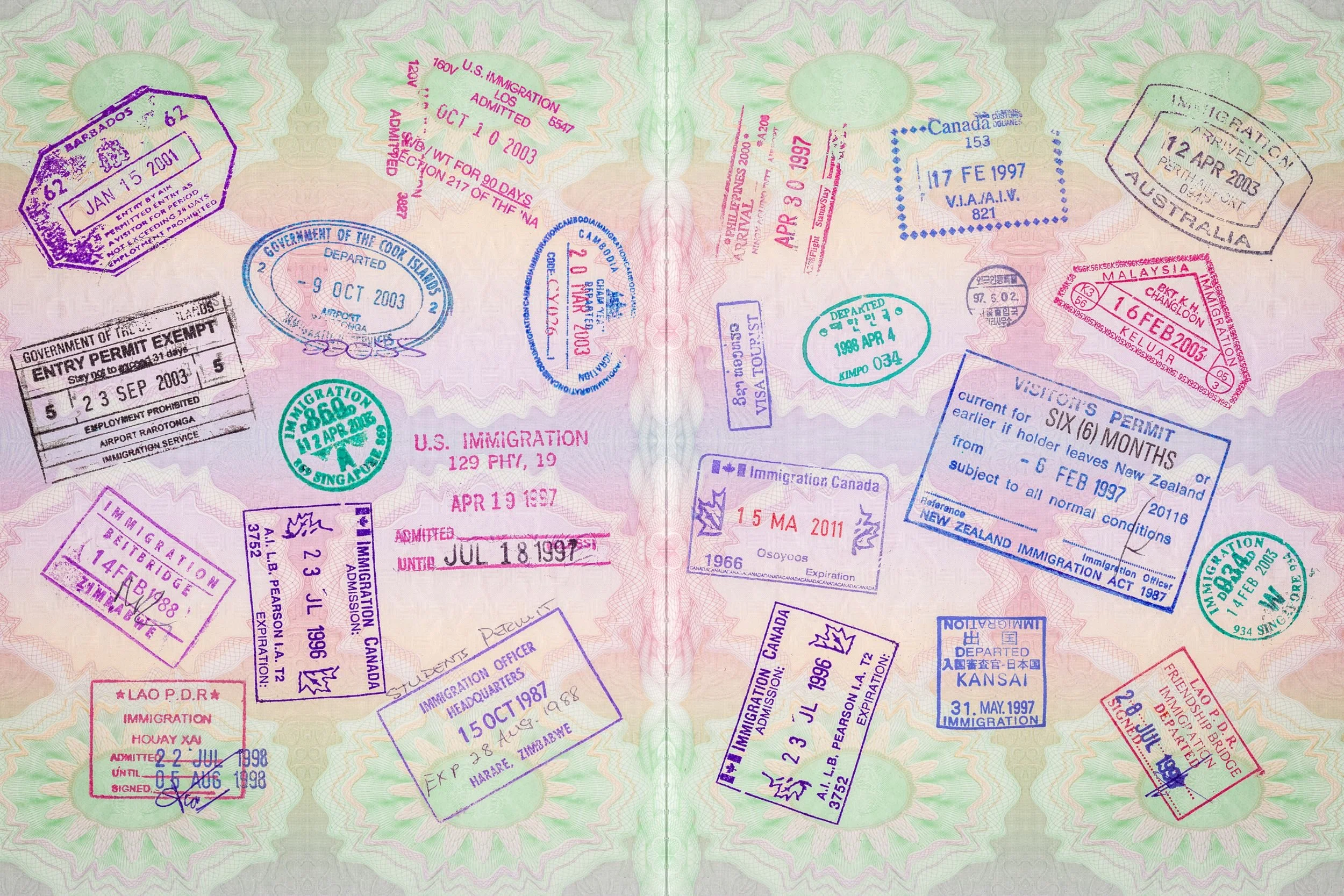
Many applicants aren’t sure about the difference between citizenship and recent residence or travel history. For study permit applications, IRCC looks at the countries where you’ve actually lived or travelled during the relevant period before coming to Canada.
If you spent six or more consecutive months in a designated country during that period, you may need an immigration medical exam. This can apply even if you aren’t a citizen of that country and are applying for your study permit from somewhere else.
You may need to consider:
Where you’ve lived during the relevant look-back period
Where you’ve travelled
How long you stayed in each country or territory
Whether the country or territory is currently on IRCC’s designated list
Check the Current IRCC Designated Country List
IRCC’s list of designated countries and territories can change. That’s why it’s important to check the current requirements on canada.ca instead of relying on an old article, forum post, or previous application.
A country’s status may have changed since you last checked, which could affect whether you need a medical exam.
Related Reading:
When Your Program or Placement Requires a Medical Exam Regardless of Duration

Even if your program length and travel history don’t require you to undergo a medical exam, your studies or placement may still mean you’ll need to take one.
Some programs involve regular contact with people who may be more vulnerable to communicable diseases, including:
Nursing and other direct patient-care programs
Clinical laboratory and diagnostic imaging programs
Early childhood education and childcare programs
Teacher education programs with school-based placements
Personal support worker and geriatric or long-term care programs
Placements involving in-home care for children, older adults, or people with disabilities
🚨 Note: Program names and placements often vary and can change from year to year. You should always double-check your specific program with your Designated Learning Institution or a panel physician rather than relying on the category alone. A program that sounds unrelated to health care can still include a placement that triggers the requirement, and a program that sounds like it should qualify sometimes does not.
What Happens If You Need a Medical Exam?

Once you know that you need an immigration medical exam, the process is usually straightforward.
You’ll need to:
Book an appointment with an IRCC-authorized panel physician.
Complete the medical exam and any tests requested by the physician.
Let the physician’s office submit your results to IRCC.
Keep any documents you receive after your appointment.
Medical exam results are generally valid for 12 months from the date of the exam. Appointment availability and processing times can vary, so booking your exam early can help prevent delays with your study permit application.
How Panel Physician Can Help
Panel Physician provides immigration medical exams for students and other applicants at five locations across the Greater Toronto Area.
The clinic submits medical results to IRCC electronically through eMedical. At Panel Physician, results are usually submitted within 5 to 10 business days after your appointment. Same-day or same-week appointments are also available, depending on scheduling.
If you’re not sure whether you need a medical exam for your study permit, the clinic can help you understand what may apply to your situation.
Getting the Full Picture Before You Apply
Whether you need a medical exam for your study permit depends on the length of your program or placement, where you have lived or travelled during the relevant period before coming to Canada, and whether your program or placement will involve health care, childcare, education, or direct contact with vulnerable people.
If a medical result flags a concern once you’ve completed your exam, it helps to understand what happens next. You can find the answers to those questions in our blog on medical inadmissibility and excessive demand. Determining early whether any of these factors apply to you, and confirming the details for your specific situation with Panel Physician, keeps this step from becoming a bottleneck later in your application.